FAA First Class Medical Exam | Grand Rapids, MI
Skip to content
First Class Medical

FAA First Class medical exams with the EKG done on site.

A First Class medical certificate is required to exercise airline transport pilot privileges. Dr. Edmondson performs the full exam and the FAA-approved EKG in one appointment at KGRR, so professional pilots are not sent to a second facility.

Who needs a First Class certificate

You need a First Class medical certificate when exercising pilot-in-command privileges of an airline transport pilot certificate. It is also required for certain Part 121 second-in-command operations and for crewmembers who have reached age 60 serving in Part 121 operations.

Many pilots who are not yet flying for an airline choose a First Class exam anyway. The certificate steps down: after the First Class window closes, the same certificate continues to cover commercial privileges, and then private privileges, for the longer periods the FAA assigns to those classes.

First Class duration

Measured from the last day of the month your exam took place.

ATP privileges, under 40
12 months
ATP privileges, age 40 or older
6 months
Then, commercial privileges
Through the 12th month after your exam
Then, private privileges
Through month 60 if you were under 40 at the exam, or month 24 if you were 40 or older

Source: 14 CFR 61.23 (eCFR) (opens in new tab)

The EKG requirement

First Class applicants are the reason most pilots end up scheduling two appointments elsewhere. We do it here.

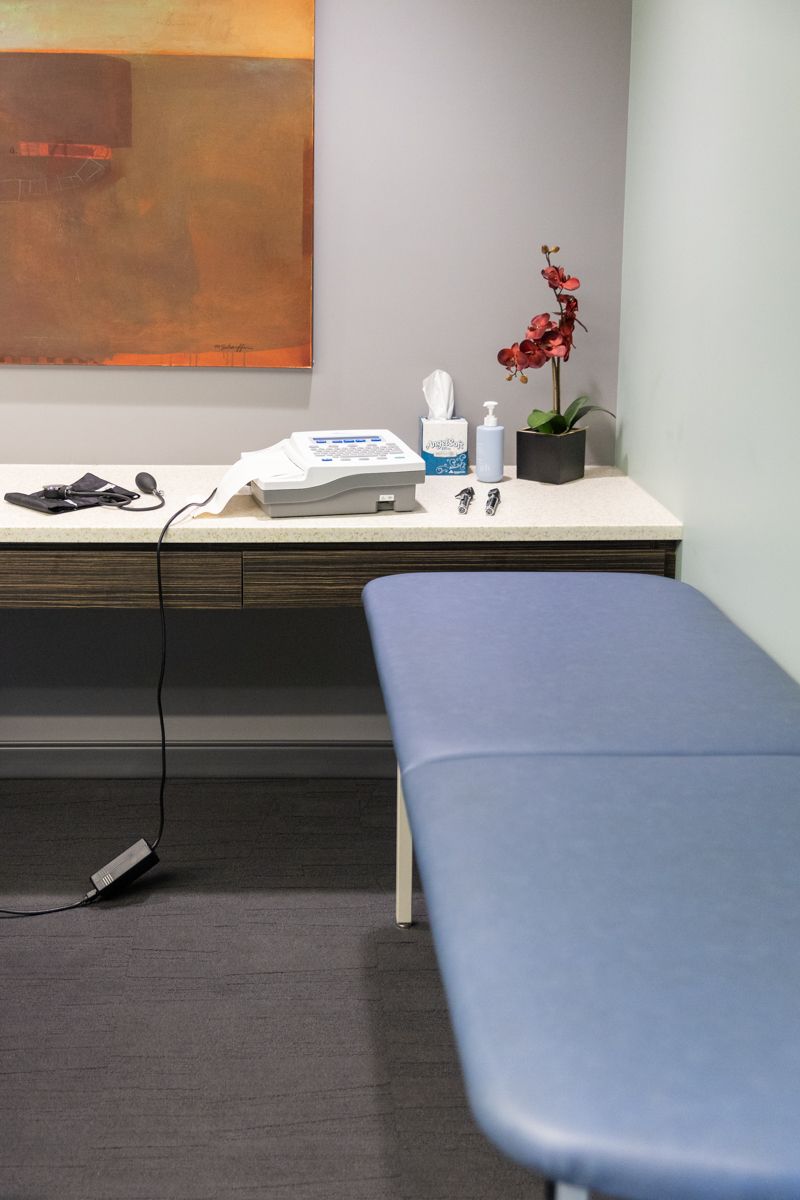
The exam room at Gerald R. Ford International Airport, where the FAA-approved EKG is performed
01
Baseline EKG

An electrocardiogram is required at the first First Class exam after your 35th birthday.

02
Annual EKG

From age 40, an EKG is required with each annual First Class exam.

03
Performed on site

Our FAA-approved EKG is done during your appointment. No referral, no second visit, no waiting on an outside report.

04
Cost

The EKG add-on is $50 on top of the $210 exam.

What to bring

Complete FAA Form 8500-8 through FAA MedXPress (opens in new tab) before your appointment and bring the confirmation number. Bring a government photo ID, the glasses or contact lenses you fly with, and a current list of medications.

Dr. Edmondson strongly recommends reading the FAA's Know Before You Go (opens in new tab) beforehand, particularly if you have a new or ongoing medical condition.

If you have an existing special issuance, bring the authorization letter and any status reports the FAA requires this cycle. Having those documents in hand is often the difference between leaving with a certificate and leaving with a deferral.

First Class questions

How long does the appointment take?+

Plan for a routine exam plus EKG in one visit. Arriving with MedXPress already submitted is the single biggest factor in a short appointment.

Will I leave with my certificate?+

Qualified applicants are issued their certificate at the time of the exam. Applications that must be deferred to the FAA take longer, and Dr. Edmondson will explain exactly what happens next.

Do you accept walk-ins?+

Appointments only. Send a booking request and we will confirm a time.

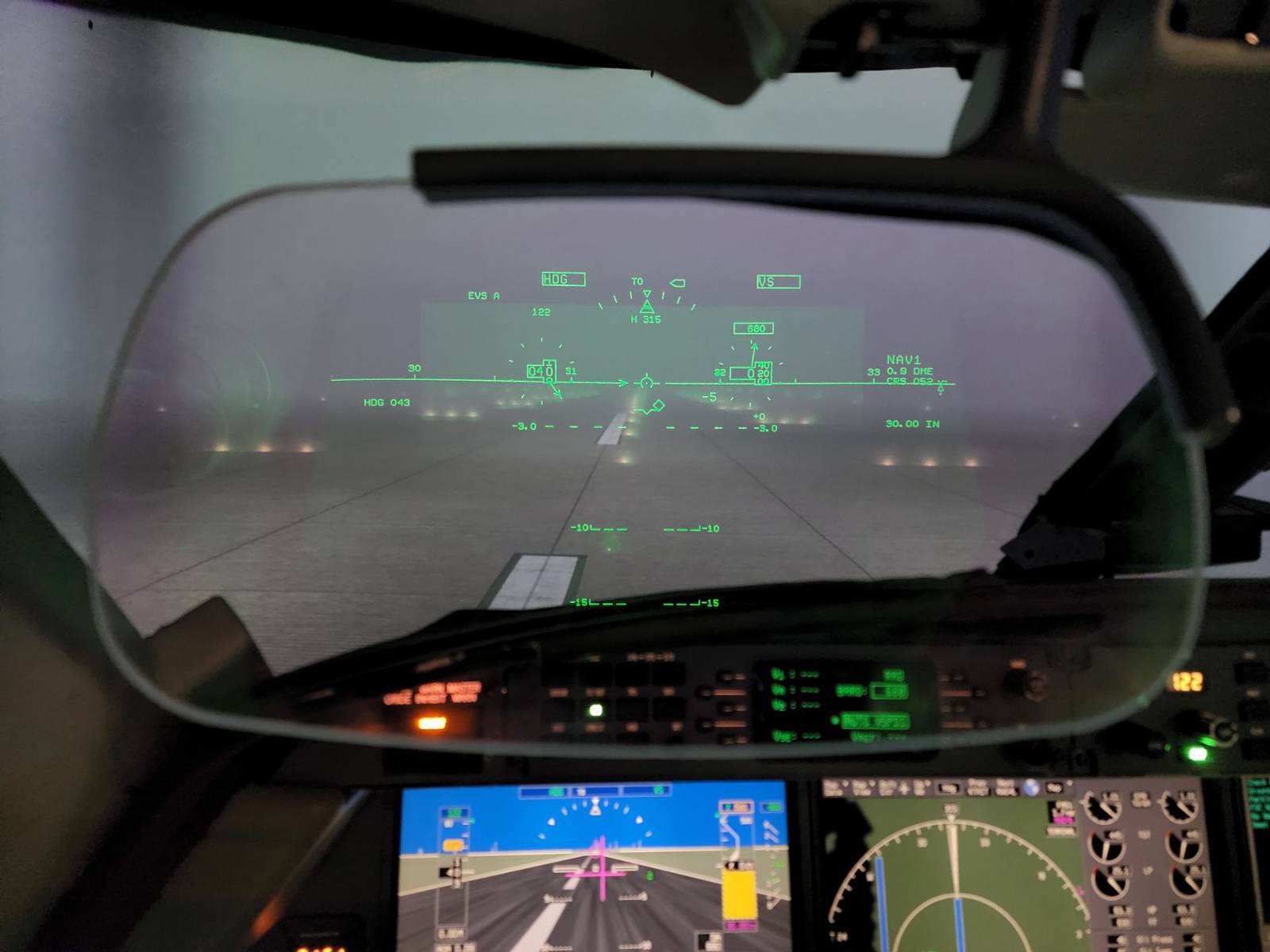
Aurora over the night sky seen from the flight deck
Class I

The certificate the left seat runs on.